How to Find the Free and Best Games Across Every Platform
In the modern gaming landscape, the barrier to entry has never been lower. Whether you are using a high-end gaming rig, a standard office laptop, or a mobile device, the library of available titles is staggering. However, the term "free" has become increasingly complex. With the rise of microtransactions, battle passes, and "gacha" mechanics, players must navigate a sea of options to find games that respect both their time and their financial boundaries.
According to data from major storefronts, the volume of free content is at an all-time high. The Xbox store alone lists over 1,000 titles in its free category, while browser-based platforms host thousands more. This guide breaks down the landscape to help you identify which titles are truly worth your download space and which models offer the fairest experience for non-paying players.
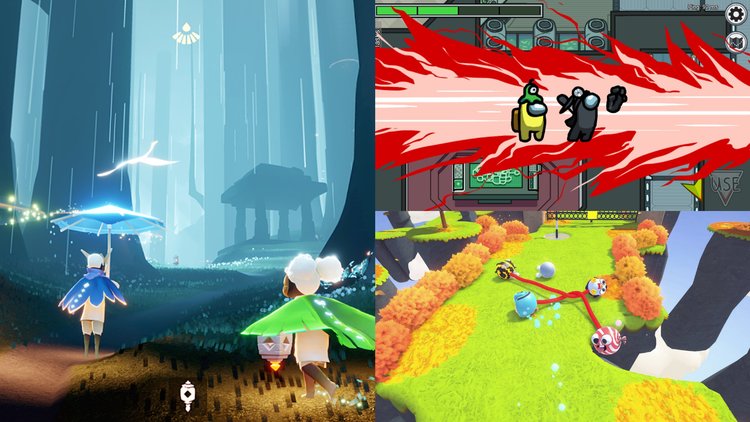
Image source: Klook
Which Free Games Are Actually Worth Your Time?
The primary challenge for players in 2026 isn't finding a free game; it's finding one that doesn't feel like a second job or a constant sales pitch. High-production "Free-to-Play" (F2P) titles have reached a level of quality that rivals traditional $70 releases. Titles like Fortnite and Rocket League, both prominent on the Epic Games Store, have set a high standard for what players can expect without spending a dime.
When evaluating a game's worth, consider the following three pillars:
- Gameplay Depth: Does the game offer a complete loop without requiring purchases to unlock core mechanics?
- Community Longevity: Is there a stable player base ensuring quick matchmaking and continued updates?
- Monetization Fairness: Are the purchases purely cosmetic, or do they provide a competitive advantage?
While massive hits like Roblox dominate the market with millions of user-generated experiences, there is also a growing movement of "Totally Free" games. These are often open-source projects or indie titles released as passion projects, such as the classic version of Dwarf Fortress or OpenTTD. These titles offer a refreshing break from the live-service model, providing deep simulation and strategy without any internal storefronts.
Understanding the Real Cost of Free-to-Play Gaming
The "Free-to-Play" label is an umbrella term that covers vastly different business models. To find the free and best games for your specific needs, you must understand how these developers keep the lights on. Some models are remarkably generous, while others are designed to encourage "pay-to-progress" behavior.
Games That Only Charge for Cosmetics
This is widely considered the most player-friendly model. In these games, every player has access to the same power levels, tools, and characters. Revenue is generated through "skins," weapon wraps, or emotes that do not affect gameplay. Dota 2 and Counter-Strike 2 are prime examples of this philosophy. You can play for thousands of hours and remain at the top of the competitive ladder without ever opening your wallet. Path of Exile also ranks among the top choices here, offering a massive ARPG campaign where the only significant purchases are quality-of-life features like extra inventory tabs.
Navigating Gacha and Pay-to-Progress Mechanics
Other popular titles use a "Freemium" or "Gacha" model. In games like Genshin Impact or Zenless Zone Zero, you can play the entire story for free, but acquiring specific high-tier characters often involves a luck-based system that can be accelerated with real money. Similarly, titles like Warframe allow you to earn everything through gameplay, but players can pay to skip the "grind" or wait times for crafting. While these games are exceptionally strong in terms of production value, they require more discipline from the player to avoid overspending.
| Game Title | Monetization Type | Can You Win for $0? | Platform |
|---|---|---|---|
| Dota 2 | Cosmetic Only | Yes (100%) | PC (Steam) |
| Fortnite | Cosmetic / Battle Pass | Yes | All Platforms |
| Warframe | Pay-to-Skip / Trading | Yes (With Time) | PC, Console |
| Genshin Impact | Gacha / Energy System | Yes (Story Only) | PC, Mobile, PS5 |
| Path of Exile | QoL / Cosmetics | Yes | PC, Console |
The Best Free Games for Low-Spec Laptops and Chromebooks
Not everyone has a dedicated gaming PC with the latest graphics card. For many students or office workers, "gaming" happens on integrated graphics or Chromebooks. This is where browser-based gaming and low-spec optimization become vital. You don't need a high-end rig to enjoy some of the most engaging titles available today.
High-Intensity Browser Games for Instant Play
Browser gaming has seen a significant advancement in recent years. Platforms like CrazyGames now serve over 30 million monthly users, offering titles that run directly in Chrome or Firefox without any installation. These games are a top-tier option for those who want a quick 10-minute session during a break. Because they rely on WebGL and other modern web technologies, they can deliver surprisingly smooth 3D graphics on hardware that would struggle with a standard AAA download.
Top "io" Games for Quick Sessions
The ".io" genre remains a staple of the low-spec community. Games like Shell Shockers (an egg-based FPS) and Agar.io provide high-intensity multiplayer action that works on almost any device with an internet connection. According to Addicting Games, which hosts over 5,000 titles, these accessible experiences are often more popular than complex downloads because they remove the friction of updates and hardware compatibility checks.
Hidden Gems and Community-Vetted Classics
While the "Big Three" (Fortnite, Roblox, Genshin Impact) get the most headlines, niche communities often point toward older or more specialized titles that offer a better "content-per-hour" ratio for free players. These are the games that have survived for a decade or more by building a loyal following through generous updates.
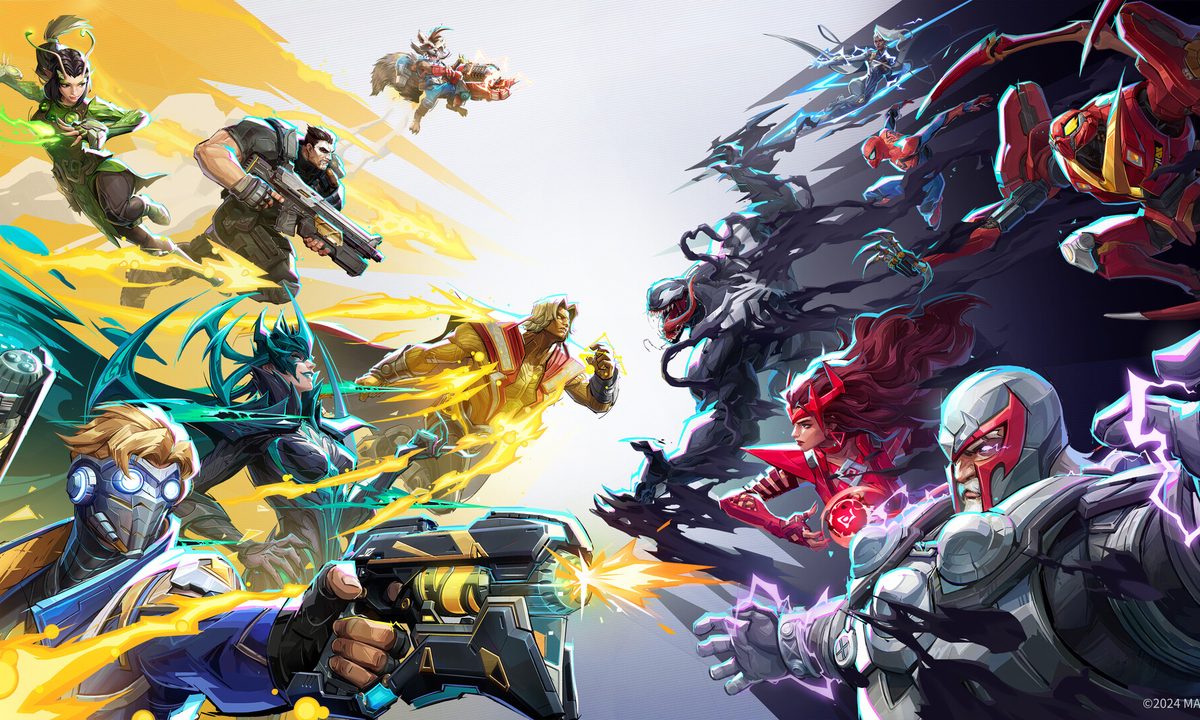
Image source: Digital Trends
Old Guard MMOs With Massive Free Content
Massively Multiplayer Online (MMO) games that transitioned to a free-to-play model years ago often provide the most depth. Based on insights from Reddit's gaming communities, titles like Star Trek Online and Star Wars: The Old Republic allow players to experience massive, fully-voiced story campaigns without spending money. Unlike newer "live service" games that might gate content behind a battle pass, these older giants have a decade's worth of expansions that are often included in the base free experience.
Completely Free Indie Games With No Microtransactions
If you want to avoid storefronts entirely, the "True Free" category is for you. These are games that are not trying to sell you anything.
- OpenTTD: An open-source simulation game based on Transport Tycoon Deluxe. It is incredibly deep and has a dedicated multiplayer community.
- Cave Story (Original): The legendary indie platformer that helped spark the modern indie revolution. The original freeware version is still available and remains a masterpiece of design.
- Dwarf Fortress (Classic): Before the paid Steam version with graphics, there was (and still is) the ASCII version. It is widely regarded as one of the most complex simulations ever created.
Best Free Games You Can Play Offline
A common frustration for players is finding a "free" game only to realize it requires a constant internet connection for DRM or server-side checks. This is particularly problematic for those looking for games to play on long flights or in areas with poor connectivity. While most F2P games are "live services," there are notable exceptions.
One major point of confusion identified in storefronts like the Microsoft Store is the distinction between a "Launcher" and a "Game." For example, the Minecraft Launcher is free to download, but the game itself requires a license. To find true offline free games, you should look for:
- Mobile-to-PC Ports: Games like Fallout Shelter offer robust offline modes once the initial download is complete.
- Itch.io Free Section: This platform is a goldmine for small, experimental indie games that are completely DRM-free and playable offline.
- Classic Freeware: Many older PC games have been released as freeware by their original developers (e.g., the original Command & Conquer titles).
How to Access Free Games on Your Favorite Platform
Each platform has its own "hidden" ways to maximize your free library. Knowing where to look can save you from accidentally purchasing a title that might be available for free elsewhere.
Steam has a dedicated "Free to Play" genre page, but the real value is on the Epic Games Store. Epic gives away 1-2 paid games for free every single week. Once you claim them, they are yours forever.
On consoles, you no longer need a paid subscription (like Xbox Game Pass Core or PS Plus) to play free-to-play games online. Titles like Warzone and Apex Legends are truly free to access.
For instant access, browser portals are the top choice. They require no account and no download, making them the most accessible way to play on shared or restricted hardware.
Finding the Best Free Titles on Steam and Epic
On Steam, the best way to find quality is to filter by "User Reviews." Because Steam has such a massive user base, the "Overwhelmingly Positive" tag is a reliable indicator of a game that isn't overly aggressive with its monetization. Epic Games, meanwhile, focuses on high-production exclusives. If you want the latest "triple-A" feel in a free game, Epic's curated list is often the best starting point.
The Bottom Line on Free Gaming
Finding the free and best games in 2026 is about matching your hardware to the right monetization model. Whether you want a competitive esport or a relaxing browser puzzle, the options are nearly limitless.
- Prioritize "Fair F2P" models like Dota 2 or Path of Exile if you want a purely skill-based experience.
- Utilize browser portals like CrazyGames for instant, no-download play on low-spec devices.
- Check Epic Games weekly to build a library of premium games without spending money.
- Explore "Old Guard" MMOs for the highest volume of free story content and world-building.
- Verify offline status before traveling, as many modern free titles require a constant connection.
- Read community reviews on Steam or Reddit to identify hidden monetization traps before investing time.
Start by claiming this week's free title on the Epic Games Store to begin building your permanent library today.
Frequently Asked Questions
- What is the most played free game in 2026?
- As of 2026, Fortnite and Roblox continue to lead the charts in terms of active daily users. Fortnite remains a top-tier choice for its evolving "metaverse" of game modes, while Roblox serves as a massive platform for millions of user-created games across every imaginable genre.
- Which free games are actually "completely free" with no microtransactions?
- Titles like OpenTTD, Dwarf Fortress (Classic), and Wesnoth are completely free. These are often open-source or community-funded projects. Additionally, many indie developers on platforms like Itch.io release "Name Your Own Price" games where you can choose to pay $0 for the full experience.
- What are the top 10 best free games that don't require a high-end PC?
- For low-spec users, the top choices include Team Fortress 2, Brawlhalla, Unturned, Old School RuneScape, and browser-based hits like Shell Shockers. These games are designed to run on integrated graphics while still providing deep, competitive, or social gameplay loops.
- What are the best free offline games for long flights?
- Fallout Shelter, Pixel Dungeon (and its various versions), and Tyrian 2000 are excellent choices. Many older titles available on freeware sites are also perfect for offline play. Always ensure you launch the game at least once while connected to the internet to complete any initial setup before your flight.
- Is the Minecraft Launcher really free?
- The Minecraft Launcher itself is a free download, but it acts as a gateway. To play the full version of Minecraft (Java or Bedrock), you must purchase a license. However, the launcher often provides access to free trials or "Minecraft Classic" in the browser, which can be played for $0.
- Do browser games have intrusive ads?
- Most reputable portals like CrazyGames use standard video pre-rolls (similar to YouTube) to fund their developers. While they are not "ad-free," they generally avoid intrusive mid-game pop-ups that would disrupt the gameplay experience, making them a viable option for casual gaming.