Is Pony Island a Meta Horror Game or a Virtual Pony Breeding Simulator?
The term Pony Island refers to two distinct digital experiences. The first is a meta-fictional horror game developed by Daniel Mullins (2016), where players interact with a demonic arcade machine. The second is PonyIsland.net, a long-running virtual pet breeding simulator (active since 2008) focused on genetics and community trading. While the horror game is a self-contained narrative experience available on Steam, the breeding site is a browser-based persistent world with a dedicated player base.
How to Tell the Difference Between the Two Pony Islands
For many internet users, searching for "Pony Island" results in a confusing mix of hellish glitch art and colorful, illustrative horses. This ambiguity stems from two products sharing a name while occupying entirely different genres. Understanding which one you are looking for is the first step toward a successful experience.
The Horror Game (Daniel Mullins)
Released in 2016, this title is a psychological horror experience. It presents itself as a poorly coded arcade game that hides a dark, supernatural secret. It is widely considered one of the best examples of meta-fiction in indie gaming.
- Platform: Steam (PC, Mac, Linux)
- Visual Style: 8-bit, glitchy, monochrome menus.
- Goal: Escape a demonic machine.
The Breeding Site (PonyIsland.net)
Active since 2008, this is a community-driven pet simulator. It focuses on the complex science of genetics and the social aspects of trading and showing virtual horses. It stands out as a top choice for fans of deep simulation.
- Platform: Web Browser
- Visual Style: Colorful, illustrative, community-focused.
- Goal: Breed rare traits and build a stable.
Visually, the distinction is stark. The horror game uses a "game within a game" interface, often mimicking a Windows 95-style desktop or a corrupted arcade cabinet. In contrast, the breeding site features a traditional browser interface with forums, market listings, and detailed horse profiles. According to Wikipedia, the horror game's success actually brought a new wave of confused visitors to the breeding site, leading to a unique cultural intersection between two very different communities.
What Is the Pony Island Horror Game Actually About?
At its surface, the Daniel Mullins version of the game looks like a simple endless runner. You control a pony jumping over hurdles and shooting lasers at butterflies. However, the game quickly "breaks." You are not just playing a game; you are interacting with a soul-harvesting machine designed by Lucifer himself. The core gameplay loop involves transitioning between the "pony runner" levels and "hacking" the game's internal code to fix broken mechanics or bypass security measures.
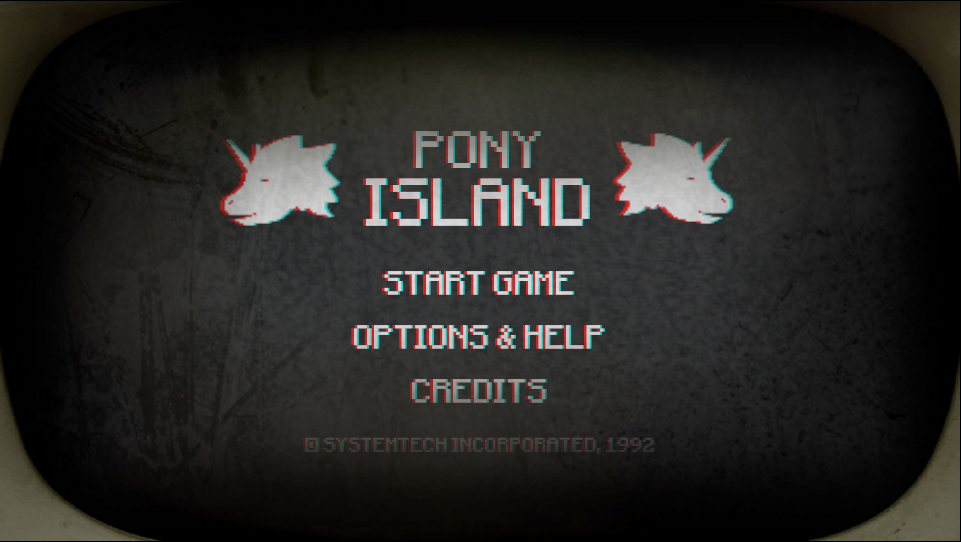
Image source: Daniel Mullins - itch.io
The meta-fiction elements are what truly define the experience. The game simulates a desktop environment where you can read chat logs from a mysterious "helper" who is also trapped in the machine. You will encounter fake error messages, simulated system crashes, and even messages that appear to come from your actual Steam friends. This layering of reality makes it a highly recommended title for those who enjoy games like Doki Doki Literature Club or Inscryption.
Why the Devil Is Trapping You in an Arcade Machine
The narrative stakes are surprisingly high for a game that starts with a jumping pony. As you delve deeper into the system files, you discover that the machine is powered by "Lost Souls." These are previous players who failed to escape and are now digitized components of the software. Your objective is to delete the three core "Soul Files" to shut down the machine and free the captives.
The primary antagonist within this digital purgatory is Asmodeus, a high-ranking demon who acts as the system's security administrator. Unlike typical boss fights, encounters with Asmodeus involve logic puzzles, word games, and psychological manipulation. The game uses these interactions to explore themes of addiction, the nature of digital existence, and the ethics of game design.
How Meta Elements Like Fake Steam Messages Work
One of the most effective ways the game breaks the fourth wall is through its integration with the Steam API. During certain sequences, a notification will pop up in the corner of the screen, looking identical to a Steam message from a friend. These messages might say things like "Hey, why are you playing this?" or "Is your computer acting weird?"
This is not a real message, but a scripted event designed to make the player feel vulnerable. By blurring the line between the game software and the player's actual computer environment, Mullins creates a sense of unease that few other games match. According to Steam user reviews, these moments are often cited as the most memorable parts of the experience, as they force the player to question the safety of their own hardware.
How to Play the PonyIsland.net Breeding Simulator
Shifting gears to the browser-based PonyIsland.net, we find a game that is remarkably deep in its own right. While it lacks the demonic subtext of its namesake, it offers a complex economic and biological simulation that has sustained a community for nearly two decades. The game operates on a "freemium" model; while you can play for free, many long-term users suggest that a subscription is essentially mandatory for those who want to participate in high-level breeding and trading.
The gameplay focuses on acquiring ponies, breeding them to produce specific traits, and entering them into contests. The site features various "breeds," ranging from realistic horses to fantastical creatures with wings and horns. The social aspect is paramount, with active forums where players discuss breeding strategies, trade rare specimens, and participate in role-playing events.
Why Real World Genetics Matter in This Virtual Pet Game
What sets PonyIsland.net apart from simpler pet sites is its adherence to genetic principles. The game uses a system of alleles to determine a pony's appearance. Traits can be dominant or recessive, and understanding Punnett squares is a significant advantage for players. Many users report that the game serves as an accidental educational tool, teaching the basics of heredity to a younger audience.
- Visible Traits
- Characteristics that appear on the pony's sprite, such as specific patterns or wing types.
- Carried Traits
- Hidden genetic markers that do not appear on the current pony but can be passed down to offspring.
- S-Genes and A-Genes
- Specific categories of genes that determine "Special" or "Advanced" markings, often requiring careful selective breeding to manifest.
For "genetics nerds," the reward comes from successfully breeding a "Perfect" pony—one that possesses a rare combination of visible traits and high stats. This requires generations of planning and a deep understanding of the site's underlying mechanics. According to discussions on Reddit, the learning curve is steep, but the satisfaction of producing a rare breed is a major draw for the community.
Troubleshooting Common Glitches and Hidden Secrets
Returning to the Daniel Mullins horror game, players often encounter situations where they believe the game is genuinely broken. Because the game is designed to look like a malfunctioning piece of software, distinguishing between a scripted "glitch" and a real technical issue can be difficult. One of the most important things to remember is that the game "remembers" your progress in a way that persists even if you delete the game files from Steam.
What to Do When Asmodeus.exe Crashes Your Game
During the encounter with the boss Asmodeus, the game will appear to crash to the desktop, showing a Windows-style error box stating that "Asmodeus.exe has stopped working." Many players instinctively try to force-close the application or restart their computer. However, this is a scripted event. The developer, Daniel Mullins, has previously advised players to "wait it out" or interact with the error box itself to progress. The "crash" is part of the narrative, intended to make you feel as though the demon has gained control over your operating system.
How to Unlock the Hidden Pony Lasers in the Options Menu
In Act 1, many players hit a wall when they encounter demons that cannot be jumped over. The game does not explicitly tell you how to fight back. The solution lies in "breaking" the game's options menu. This is a notably innovative puzzle that requires the following steps:
- Open the in-game "Options" menu from the simulated desktop.
- Look for a small, glitched pixel or a tab that doesn't seem to fit.
- Click and drag the edges of the menu to reveal hidden "Advanced Gameplay" settings.
- Locate the "Pony Laser" toggle. You will likely need to solve a small logic puzzle (moving code blocks) to enable it.
- Once enabled, your pony will be able to fire lasers, allowing you to defeat the Act 1 bosses.
Technical Tips for Speedrunning and Performance
For those looking to master the horror game, speedrunning offers a unique challenge. Because the game's physics are tied to the framerate, your hardware settings can significantly impact your completion time. A standard Any% run typically takes about 1 hour and 10 minutes for experienced players, but this can vary based on how quickly you solve the hacking puzzles.
| Setting | Effect on Gameplay | Speedrun Recommendation |
|---|---|---|
| Graphics: Low | Uncaps framerate; can make the pony runner move faster than intended. | Often banned in competitive categories for providing an unfair advantage. |
| Graphics: Medium/High | Caps framerate at 60fps; ensures consistent physics. | Required for most official leaderboard submissions. |
| Clear Data | Resets all meta-data and "memory" of the player. | Essential for "Fresh File" categories to ensure the game doesn't skip dialogue. |
According to the Speedrun.com guide, managing the "hacking" puzzles is the most critical skill. These puzzles are not randomized, meaning they can be memorized. Expert runners use specific patterns to move the "if/then" blocks into place in seconds, bypassing minutes of intended gameplay.
Everything We Know About Pony Island 2 Panda Circus
The success of the original game and Mullins' subsequent hit, Inscryption, has led to high anticipation for the sequel: Pony Island 2: Panda Circus. While the title suggests a continuation, early trailers indicate a significant shift in visual style. The game appears to move away from the 8-bit aesthetic toward a more stylized, 3D world that still retains the "game within a game" meta-narrative.
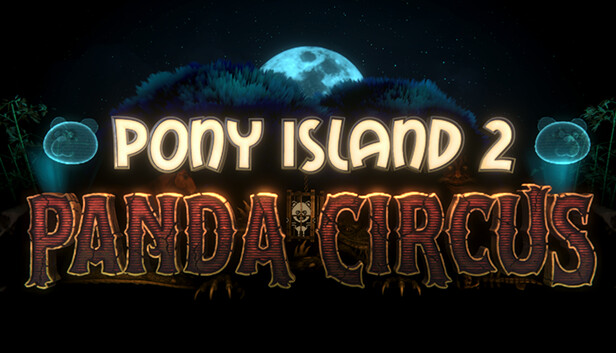
Image source: Steam
In this sequel, players seem to be interacting with a different kind of machine—perhaps a more modern console or a mystical artifact. The "Panda Circus" subtitle suggests a new antagonist or a new layer of the digital purgatory. Mullins has hinted that the game will explore the history of video games and the "souls" of developers, further expanding the lore established in the first game. As of 2026, the game is a highly anticipated title on Steam, with fans eager to see how Mullins subverts expectations once again.
Is Pony Island Safe for Children to Play?
Parents should exercise caution when they see "Pony Island" on a child's wishlist. While the name and the initial sprites look like something out of a preschool cartoon, the Daniel Mullins game is not intended for children. It contains demonic imagery, psychological horror, and flashing lights that could trigger photosensitive epilepsy. The game is generally recommended for players aged 13 and up.
On the other hand, PonyIsland.net is much more kid-friendly, though it does feature a community forum and real-money transactions for subscriptions. Parents should monitor the social aspects of the breeding site, as with any online community. The genetics aspect of the breeding site is actually quite educational, making it a strong contender for older children interested in science and simulation.
Frequently Asked Questions
Is the Pony Island horror game a virus?
How long does it take to beat the horror game?
Can I play Pony Island on a Mac or Linux?
What does the boss Asmodeus say in reverse?
Is PonyIsland.net still active in 2026?
Who is the developer behind the horror game?
Final Summary and Key Takeaways
Whether you are looking for a deep dive into psychological horror or a complex genetics simulator, the name "Pony Island" covers two remarkably different but equally engaging experiences. Here are the essential points to remember:
- Identify your target: The 2016 Steam game is meta-horror; the .net site is a breeding simulator.
- Don't panic at crashes: In the horror game, system errors and crashes are usually scripted narrative events.
- Explore the menus: Hidden gameplay mechanics, like the Pony Laser, are often tucked away in "broken" options tabs.
- Genetics matter: On PonyIsland.net, understanding dominant and recessive traits is the key to success.
- Check your hardware: Speedrunners should use Medium or High graphics settings to ensure consistent physics.
- Watch for the sequel: Panda Circus is set to expand the Mullins universe with new visual styles and meta-puzzles.
- Safety first: The horror game is not for children due to demonic themes and flashing lights.
If you are starting the horror game for the first time, remember: if the game feels like it is broken, you are likely exactly where the developer wants you to be.