Why Final Fantasy XII The Zodiac Age Is Still Worth Playing Today
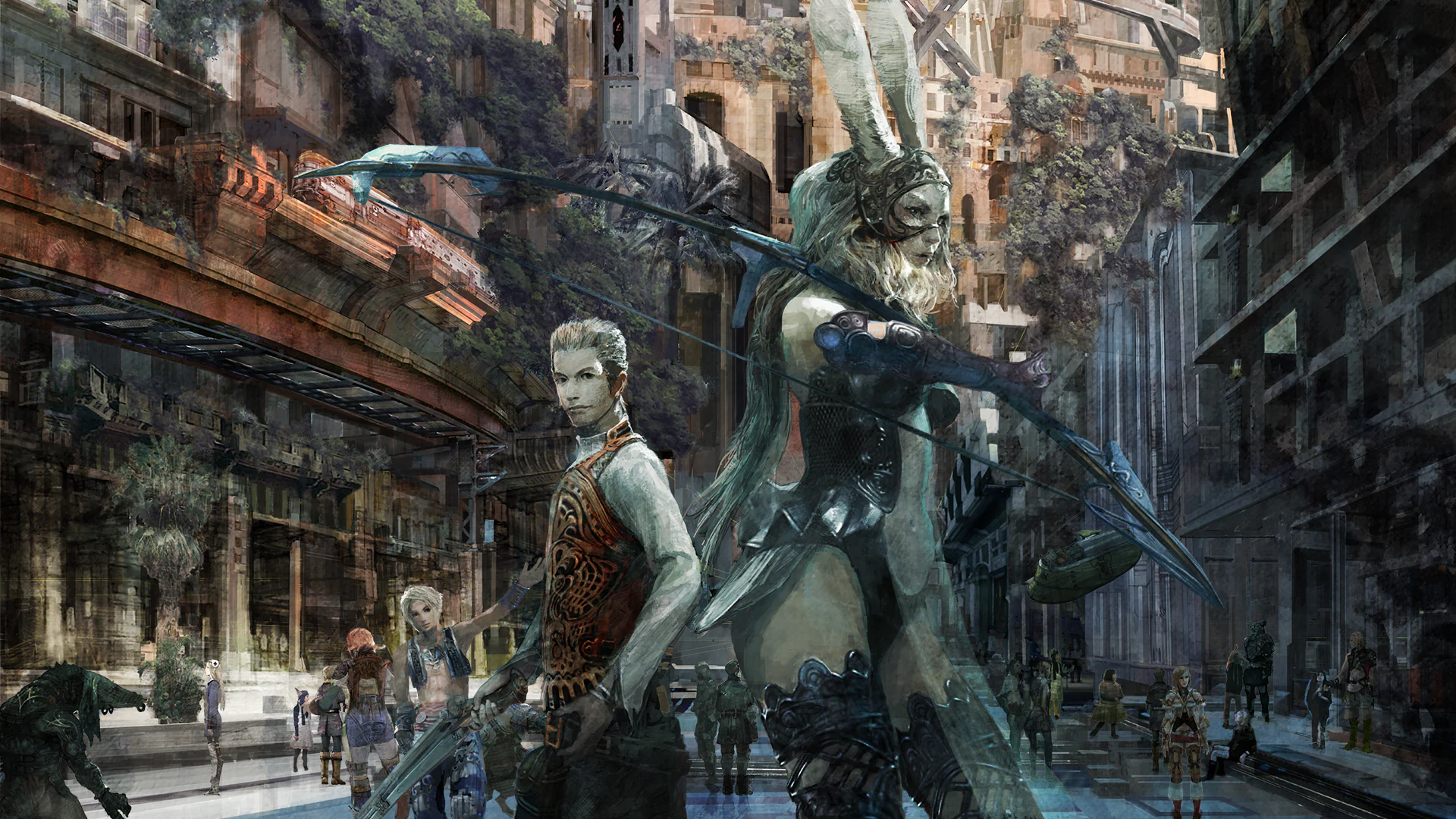
Image source: PlayStation Store
Final Fantasy XII: The Zodiac Age remains a highly acclaimed RPG, holding an 86 Metascore. It stands out for its innovative Active Dimension Battle (ADB) system, which bridges the gap between turn-based strategy and real-time combat. The modern remaster introduces a dual-job system, 4x speed toggles, and significant quality-of-life improvements, making it highly accessible for players on PC, PS5, and Switch today.
Is Final Fantasy XII The Zodiac Age the Right Game for You?
When evaluating whether to invest 50 to 100 hours into a role-playing game, understanding its core mechanical identity is crucial. Final Fantasy XII: The Zodiac Age departs significantly from the traditional turn-based combat seen in earlier entries like Final Fantasy X. Instead, it utilizes the Active Dimension Battle (ADB) system, a hybrid approach that allows enemies to roam freely on the map without transitioning to a separate battle screen.
This title is widely regarded as a strong choice for players who enjoy deep system customization and political narratives. Set in the world of Ivalice—a setting shared with Final Fantasy Tactics and Vagrant Story—the plot focuses heavily on geopolitical conflict, resistance movements, and the machinations of the Archadian Empire, rather than a traditional romance-driven narrative.
According to Metacritic data, the PS4 release of the remaster holds an 86 Metascore, with critics frequently praising its forward-thinking design. If you appreciate games that allow you to "program" your party's artificial intelligence and optimize complex skill trees, this entry ranks among the top experiences in the franchise.
What Are the Main Differences Between the Original and The Zodiac Age?
The version of the game available on modern storefronts is not merely a resolution bump. It is a fundamental mechanical overhaul based on the International Zodiac Job System (IZJS), a version previously exclusive to Japan. The most significant change lies in character progression.
Featured a single, massive "License Board." Every character could eventually unlock every weapon, spell, and stat boost, leading to a late-game scenario where all party members felt functionally identical.
Introduced 12 distinct job classes (Zodiac signs). Players had to choose one permanent job per character, forcing strategic party composition and specialization.
The modern HD remaster allows characters to select two distinct jobs, creating massive synergy potential. It also added high-definition textures, a re-orchestrated soundtrack, and auto-saving.
Beyond the job system, the remaster introduces several quality-of-life features that drastically reduce the friction of early 2000s game design. The inclusion of a high-speed mode allows players to traverse massive desert zones or grind for loot at an accelerated pace.
| Feature | Original PS2 Version | The Zodiac Age |
|---|---|---|
| Job System | One shared board for all characters | Two specialized jobs per character |
| Game Speed | Normal speed only | Toggleable 2x and 4x speed modes |
| Audio | Compressed MIDI/Synth | Fully re-orchestrated soundtrack (toggleable) |
| Map Overlay | Menu-based map only | Transparent overlay map during gameplay |
Image source: Amazon.com
How to Choose Optimal Job Combinations for Your Party
The defining feature of The Zodiac Age is the ability to assign two distinct jobs to each character. Because licenses (stat boosts and equipment permissions) from both boards are active simultaneously, the goal is to find synergies where one job covers the weaknesses of the other. According to community optimization guides, balancing physical damage, magical utility, and speed is essential for endgame content.
Knight + Bushi
This is widely considered a top-tier combination for raw damage. The Bushi uses Katanas, which calculate damage based on both Strength and Magick Power. The Knight provides heavy armor (boosting Strength), while the Bushi provides Mystic Armor (boosting Magick Power). Furthermore, the Bushi's Magick boosts allow the Knight to cast highly effective late-game White Magick (like Curaja) to support the party.
White Mage + Machinist
A White Mage needs to stay alive to heal the party, but their innate defense is low. By pairing them with a Machinist, they gain access to Guns. Guns deal fixed damage regardless of the user's physical stats, allowing the White Mage to contribute to damage from a safe distance without needing Strength investments. The Machinist also provides valuable HP boosts that the White Mage desperately lacks.
Why the Monk and Shikari Pairing Excels in Endgame
Another highly effective combination is the Monk and Shikari. The Shikari (Hunter) is a fast, evasion-heavy class that uses daggers and ninja swords. The Monk provides access to the highest HP-boosting licenses in the game, alongside top-tier physical strength. When combined, you create a character with exceptional health reserves, high evasion, and rapid attack speed, making them an excellent "tank" for the game's superbosses.
How to Master the Gambit System for Automated Combat
The Gambit system is a programmable logic interface that dictates how your characters behave in combat. Instead of manually selecting "Attack" or "Cure" every few seconds, you set up "If/Then" statements. The system reads these statements from top to bottom, executing the first condition that is met.
While some critics argue this makes the game "play itself," veteran players understand that the actual gameplay occurs in the menu preparation. Crafting a flawless Gambit setup requires anticipating enemy behaviors and managing resource efficiency.
Which Gambits Should You Set to Automate Looting and Buffs?
To maintain a steady flow of income and safety, certain utility Gambits should be active at all times. Here are two highly recommended setups for your party leader or support characters:
- The Steal Loop: Set
Foe: HP = 100% -> Stealon your party leader. This ensures that the very first action taken against a new enemy is an attempt to steal loot. Because the condition is "HP = 100%", the character will stop stealing and start attacking as soon as the enemy takes any damage from your other party members. - The Libra Loop: Set
Self -> Libraon one character. Libra is a technique that reveals enemy weaknesses and, crucially, makes hidden traps visible on the map. Automating this ensures you never accidentally walk into an explosive trap while exploring. - The MP Conservation Heal: Instead of
Ally: HP < 70% -> Cure, useAlly: HP < 40% -> Cura. Waiting until health is lower before using a stronger area-of-effect heal is much more MP-efficient during long dungeon crawls.
Why Your Characters Stop Counter-Attacking While Moving
A critical technical nuance that many players miss involves the game's counter-attack mechanics. In The Zodiac Age, characters equipped with counter-attack abilities (or the Battle Harness accessory) will occasionally strike back when hit. However, due to how the game engine processes action queues, a character will never trigger a counter-attack if they are currently moving.
If you are actively pushing the analog stick to kite enemies or reposition, the movement command overrides the reaction command. For optimal physical damage output during dense mob fights, it is highly recommended to let go of the movement stick and allow your characters to stand their ground.
How Does The Zodiac Age Perform on PS5 and Steam Deck?
As of 2026, players are largely experiencing the game on modern hardware. The performance varies slightly depending on the platform, but the overall optimization is exceptionally strong.
On the PC version via Steam, the game supports native 60 frames per second (FPS) and 21:9 ultra-wide monitor resolutions, which provides a massive tactical advantage by allowing you to see more of the battlefield. On the PlayStation 5 (via backward compatibility), the game runs at a locked 60 FPS with upscaled 4K textures, providing a remarkably clean image for a game with PS2-era geometry.
How to Fix Common Runtime and Fatal Errors on PC
Despite being "Verified" for the Steam Deck, some PC and handheld users occasionally encounter a "Fatal Error" or "Runtime Error" that crashes the game upon booting or during heavy spell effects. Based on community troubleshooting, this is typically related to shader compilation or outdated runtime libraries. To resolve this:
- Clear the NVIDIA/AMD Shader Cache: On Steam Deck, switch to Desktop Mode. Navigate to the game's compatdata folder (usually
~/.local/share/Steam/steamapps/compatdata/595520/) and clear the shader cache files. This forces the game to recompile shaders cleanly on the next boot. - Update Visual C++ Redistributables: The game relies on specific Microsoft Visual C++ libraries. Forcing Steam to verify the integrity of game files will often prompt a reinstallation of these missing dependencies.
- Cap the Framerate: If crashes persist during intense magical attacks (like the Scathe spell), capping the Steam Deck's refresh rate to 40Hz/40FPS in the quick access menu often stabilizes the engine.
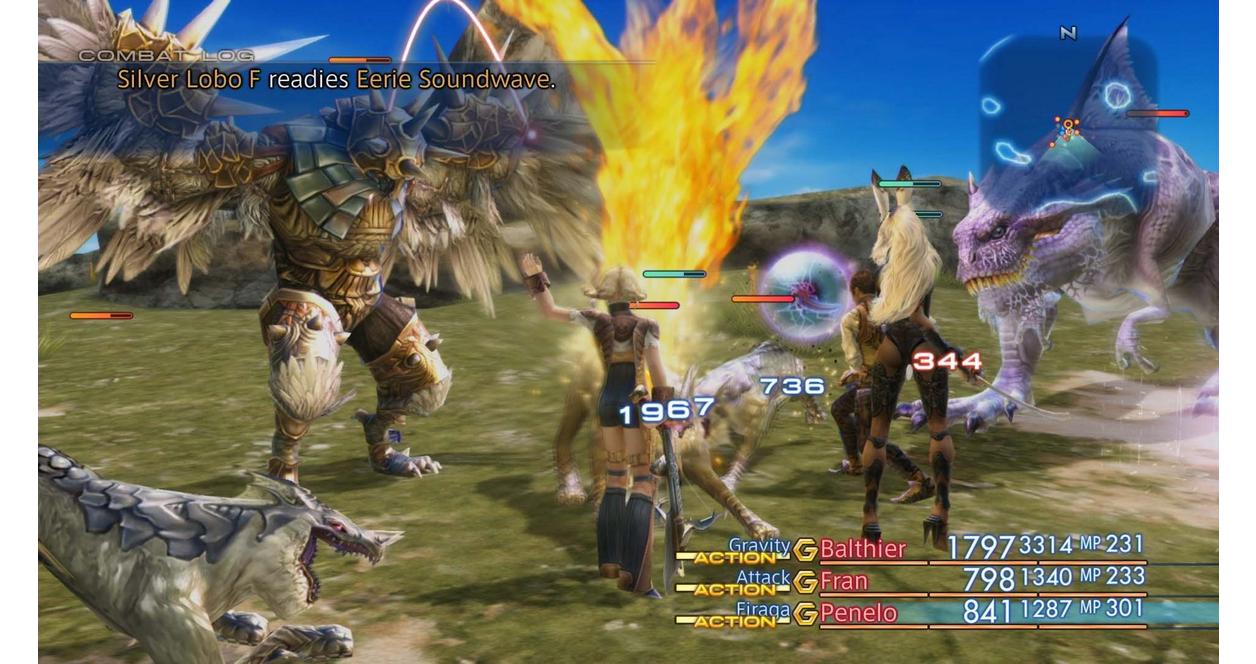
Image source: GameStop
What to Expect When Playing on the Nintendo Switch
The Nintendo Switch version runs at 30 FPS but includes a feature that was originally exclusive to the Switch and Xbox One releases (later patched into PC/PS4): the ability to reset your jobs. By visiting Montblanc at the Clan Centurio hall in Rabanastre, you can completely wipe a character's License Board and choose new jobs. This removes the anxiety of making a "wrong" build choice early in the game.
Essential Tips for Navigating the Bazaar and License Board
The economy in Final Fantasy XII is unique. Enemies rarely drop Gil (money). Instead, they drop "Loot" (such as Wolf Pelts or Fire Stones). You must sell this loot to merchants to earn Gil. However, selling specific combinations of loot unlocks special, discounted item bundles in the "Bazaar."
Early in the game, you will see expensive items in the Bazaar called "Monographs" or "Grimoires" (e.g., Hunter's Monograph, Warmage's Monograph). While they cost a significant amount of Gil early on, you should prioritize buying them. These key items permanently increase the drop rate of high-quality loot from specific enemy types, paying for themselves many times over by the mid-game.
When navigating the License Board, prioritize unlocking "Quickening" nodes and "Accessory" permits. Quickenings are powerful limit breaks, but more importantly, unlocking a Quickening node often bridges a gap to isolated, high-tier licenses on the board that are otherwise inaccessible.
Is Vaan Actually a Good Protagonist?
A frequent point of discussion among players is the role of Vaan, the player-controlled character in towns. Many critics have noted that Vaan lacks the narrative agency of traditional Final Fantasy protagonists like Cloud or Squall. He does not drive the political plot forward, nor is he the rightful heir to a throne.
However, narrative analysts suggest viewing Vaan through the "observer theory." Much like R2-D2 and C-3PO in Star Wars, Vaan serves as the grounded, everyman lens through which the player experiences the high-stakes political drama of Ashe, Basch, and Balthier. He represents the common citizens of Dalmasca who suffer under imperial rule. Understanding his role as a witness rather than the primary catalyst often improves players' appreciation of the story's mature, geopolitical focus.
Frequently Asked Questions
Final Thoughts
Final Fantasy XII: The Zodiac Age remains a highly compelling RPG experience, offering a level of mechanical depth and AI customization that few modern titles replicate. Whether you are returning to Ivalice or experiencing it for the first time, mastering its systems is deeply rewarding.
- Embrace the dual-job system to cover character weaknesses (e.g., pairing heavy armor classes with magic users).
- Automate tedious tasks by setting up Steal and Libra Gambits early in your playthrough.
- Stop moving during heavy combat to ensure your characters can execute their counter-attacks.
- Invest your early Gil into Grimoires at the Bazaar to permanently boost your high-tier loot drops.
- Utilize the 4x speed toggle to make backtracking and level grinding significantly more efficient.
- Troubleshoot PC crashes by clearing your shader cache and capping your framerate during intense magical encounters.